Removal Bird From a Tiled Roof

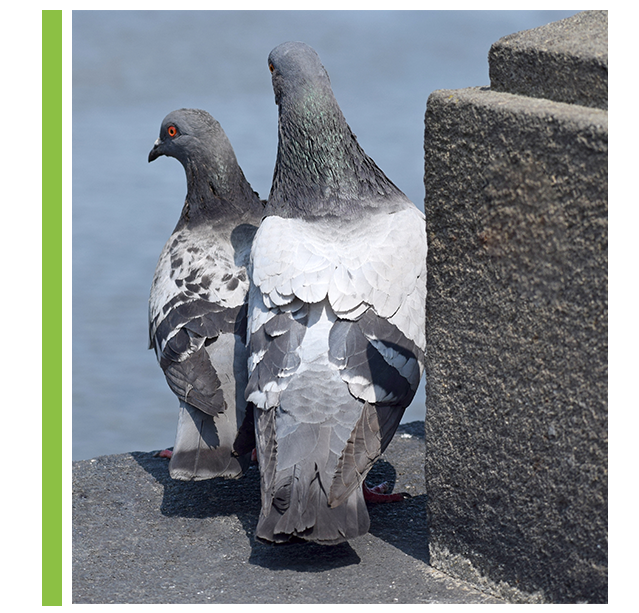
Pigeon Deterrence is by no means a simple task. There are various reasons why pigeon control has become such a painful issue for homeowners. Over the years, countless methods have been invented in an attempt to overcome the nuisances caused by pigeons, yet these birds always seem to find their way back onto roofs, gutters, and balconies. There is one area in particular that is especially prone to pigeon infestation, and that is the tiled roof. There, they cause significant damage that requires considerable financial expenses. If you wish to learn how to keep pigeons away from a tiled roof, you will find the solution in this article.

What damages can be prevented by deterring pigeons from a tiled roof?

The nuisances caused by pigeons can easily be divided into four categories: noise, dirt, disease, and property damage.
First, no one enjoys hearing dozens of cooing pigeons on the roof of their home, though this is likely the mildest of the four disturbances.
Second, we are all familiar with the sight of white droppings covering the tiles, creating a severe aesthetic nuisance for our homes.
Third, pigeons carry numerous diseases, mites, ticks, fleas, and more. Living in close proximity to pigeons poses a real health risk, especially to children and the elderly.
But these are not the only reasons to remove pigeons from your roof.
The sight of droppings, unpleasant as it may be, is not the primary issue, but rather the damage it causes. Pigeon droppings are highly acidic and have the ability to corrode the materials that make up tiled roofs and gutters. Most tiled roofs in Israel are equipped with water heaters and solar panels, which are also highly vulnerable to damage caused by pigeon droppings. For all these reasons and more, keeping pigeons away from your roof is a necessary step if you want to avoid heavy expenses.

What methods of pigeon deterrence for tiled roofs exist on the market?

The pigeon is an intelligent bird that chooses its home based on the living conditions it finds in a particular place. For this reason, it is difficult to persuade it to relocate to another area. There are several methods available for deterring pigeons from tiled roofs, each based on a different principle.

The installation of spikes is one of the most common methods for pigeon deterrence on tiled roofs. In this method, stainless steel or plastic spikes are placed in the pigeons’ nesting areas, making them an unpleasant living space. The problem with this method is that pigeons often manage to find a way to settle between the spikes.

Another common pigeon deterrence method for tiled roofs is the use of coiled springs. When a pigeon lands on the spring, it begins to move and disrupt the bird’s balance. Once the pigeon realizes that this area is unstable, it will leave and search for a new nesting site. However, there is a drawback to this method as well: just like with spikes, pigeons often manage to find their way between the coils and remain in place.

Electronic pigeon deterrence for tiled roofs

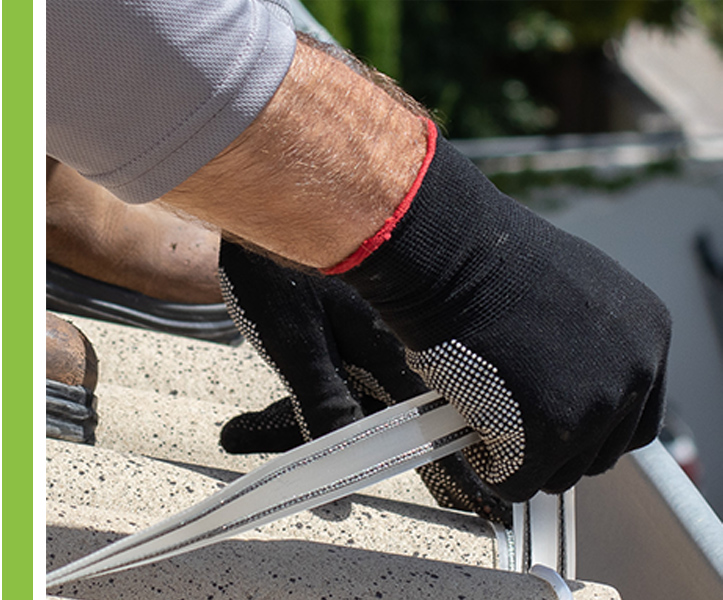
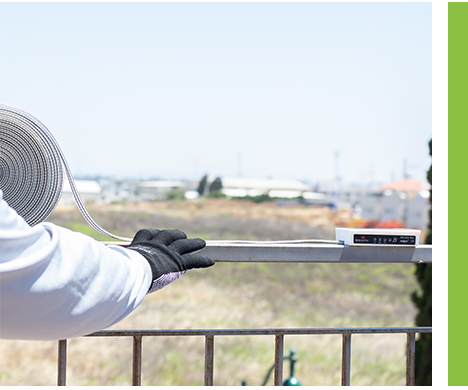
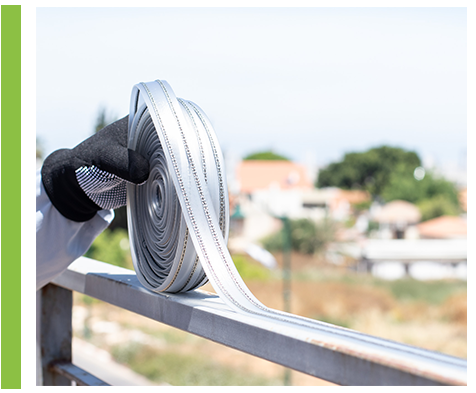
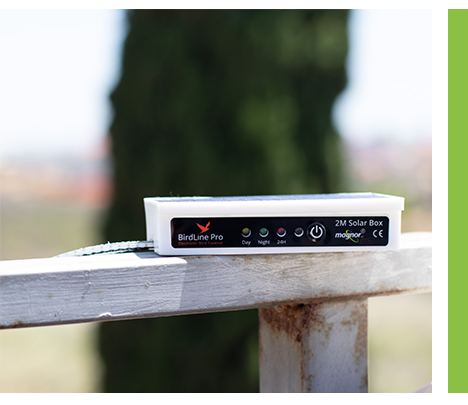
The most effective and aesthetically pleasing method of pigeon deterrence for tiled roofs is electronic pigeon control. This system works by installing aluminum conductive strips attached to transparent silicone bases. A certified technician strategically installs these conductive strips on the roof and connects them to a solar-powered control unit. The unit ensures that the system can operate at all times without the need for an electrical connection or manual activation.

When a pigeon lands on the silicone strips, it feels mild electric pulses in its feet. These pulses are not strong enough to harm the bird, but only to cause discomfort. At this point, the pigeon understands that the area is unpleasant for nesting and will prefer to look for another place.

Pigeon deterrence for tiled roofs must also be aesthetically compatible, so that the appearance of your home is preserved and not compromised by replacing one visual nuisance with another. The electronic system is virtually invisible, so it does not disrupt the general appearance of the house. Another advantage of the system over other pigeon deterrence methods is that pigeons cannot adapt to it. Since the electric pulses vary in strength and frequency, the pigeon has no way of predicting when it will experience discomfort. Additionally, the system is resistant to weather conditions, humidity, and sun exposure.

Pigeon deterrence for solar roofs

Electronic deterrence strips are also suitable for solar roofs, which are at heightened risk of damage caused by pigeon droppings. If the panels on a solar roof are damaged, the home’s energy supply may be compromised. Installing an electronic pigeon deterrence system easily prevents this issue.

In conclusion Deterring pigeons from tiled roofs using electronic control is a humane, aesthetic, and effective solution. This method is highly efficient and provides the perfect answer to the pigeon problem.

We wish you a pleasant tour!